Published Aug 18, 2026 · 7 min read
Why the Format Matters
Every coffee import decision starts with one question that gets skipped too often: green or roasted? The answer changes your shelf life, your tariff classification, your storage costs, and how much control you retain over the final cup. For first-time importers sourcing from India, getting this wrong is the most common — and most expensive — early mistake.
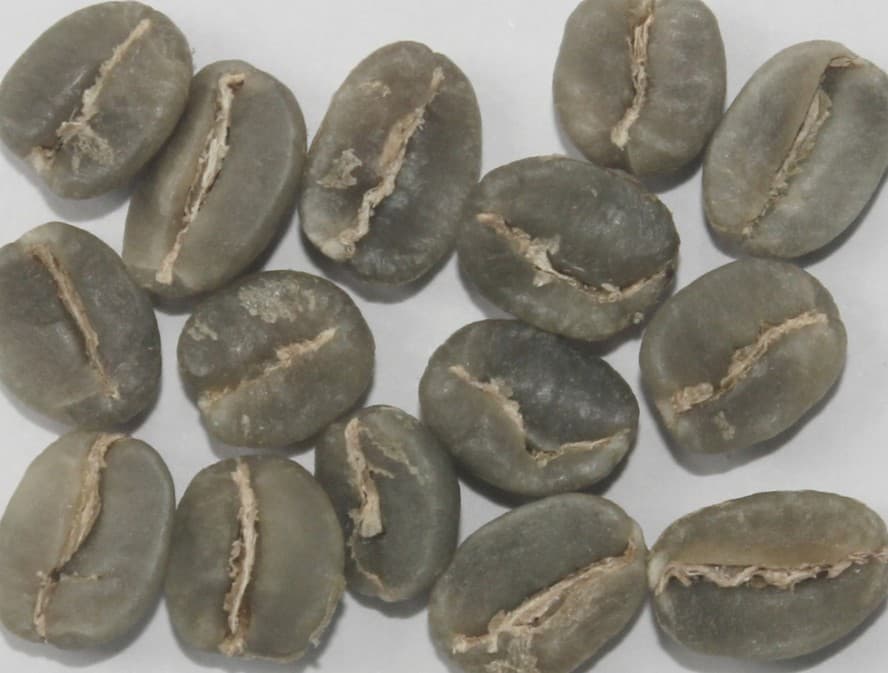
Green Coffee: Maximum Control, Longer Runway
Green (unroasted) beans have a shelf life measured in years, not weeks, when stored correctly. Buyers who import green retain full control over roast profile, batch consistency, and can roast to order — a major advantage for specialty roasters building a brand identity. It's also generally the more favorable classification for import duty in most markets. See our Washed Arabica and Washed Robusta ranges for green stock options.
Roasted Coffee: Speed to Market
Roasted coffee skips a production step entirely — ideal for distributors, cafés, and retailers who don't roast in-house. The trade-off is a much shorter shelf life (weeks, not years) and less flexibility on profile. Our Roasted Coffee range covers Plantation, Cherry, and Parchment roasts at export volume.
Looking for retail packs instead of bulk export? Lit Coffee has you covered.
Shop NowWhich Should You Choose?
If you're a roaster or plan to build a private-label roasting operation, green is almost always the right call. If you're a distributor or retailer without roasting capacity — or need product on shelf fast — roasted (or our instant coffee range) may be the better fit. For guidance on pricing either format, see our guide on pricing green coffee beans for export.