How Indian Coffee Farmers
Are Adapting to Climate Change
Shade-grown farming, altitude shifts, water conservation, and climate-resilient varieties — the practices building long-term supply security for international buyers.
Why Climate Change Matters for Coffee Importers
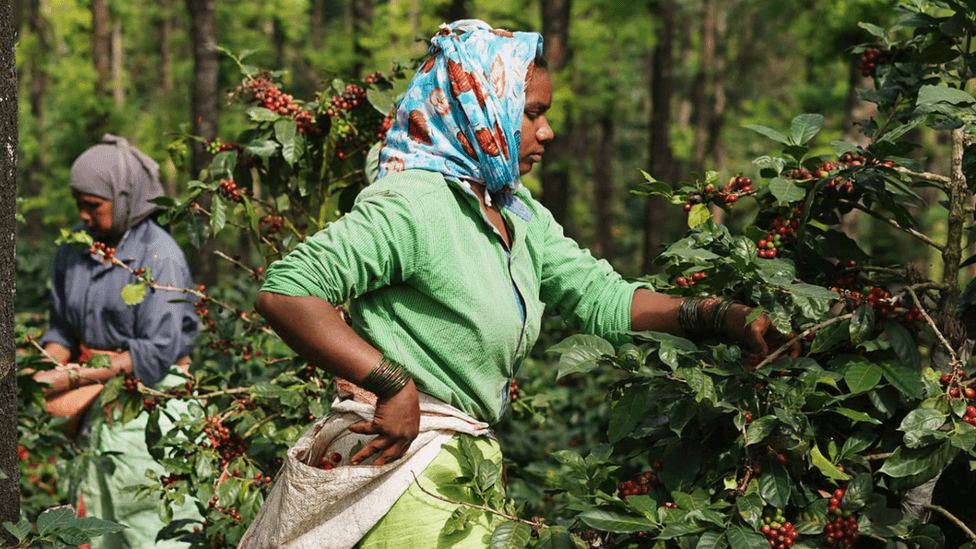
For international buyers, supply chain resilience is not an abstract concern. Rising temperatures and erratic monsoon patterns in India's Western Ghats are directly affecting Arabica yields in Coorg and Chikmagalur — two of the world's most important specialty coffee regions.
LIT COFFEE sources from estates actively implementing climate adaptation practices — shade-grown cultivation, water conservation, and altitude diversification — to protect long-term supply quality and consistency.


The Pressures Facing Indian Coffee Estates
- Rising mean temperatures in Coorg & Chikmagalur
- Erratic monsoon onset disrupting flowering
- White stem borer pressure increasing
- Unseasonal rains affecting cherry ripening
- Water table depletion on lower-altitude estates
- Arabica quality degradation at marginal altitudes
Min. Order
5 MT
Certification
Rainforest / UTZ
Trade Terms
FOB & CIF
Quote TAT
24 Hours
Six Ways Indian Farmers Are Adapting
Shade-Grown Farming
Native tree canopies regulate temperature, retain soil moisture, and reduce water stress — making shade farms far more climate-resilient than open sun-grown plots.
Altitude Shifts
Growers in Karnataka and Tamil Nadu are expanding cultivation above 1,200m to access cooler microclimates as lower-altitude zones experience warming.
Water Conservation
Drip irrigation and rainwater harvesting are reducing water usage per kg of cherry by up to 40% on estates that have adopted these practices.
Intercropping & Biodiversity
Planting pepper, cardamom, and native species alongside coffee reduces pest pressure, improves soil health, and provides income diversification against crop failures.
Climate-Resilient Varieties
Research stations are developing Arabica hybrids with higher temperature tolerance and resistance to leaf rust — critical for long-term supply continuity.
Rainforest Alliance & UTZ Certification
Certification programs give farmers access to premium pricing while enforcing sustainability standards — creating a financial incentive to adapt.
Indian Coffee & Climate Change — FAQs
How is climate change affecting Indian coffee production?
Rising temperatures, erratic monsoon rainfall, and increasing white stem borer pressure are reducing Arabica yields in Coorg and Chikmagalur. Unseasonal rains are also disrupting flowering and cherry development.
What is shade-grown coffee and why does it help?
Shade-grown coffee is cultivated under a native tree canopy that regulates microclimate temperature, retains soil moisture, prevents erosion, and supports biodiversity. Shade farms are significantly more resilient to temperature swings than sun-grown monoculture plots.
Are Indian coffee farmers shifting to higher altitudes?
Yes — some growers in Karnataka and Tamil Nadu are gradually expanding cultivation above 1,200m to access cooler microclimates suitable for quality Arabica production as lower-altitude zones warm.
Indian Coffee Export Destinations
We export sustainably sourced Indian coffee to buyers across Europe and North America.
Source Sustainable Indian Coffee with Confidence
LIT COFFEE sources from climate-adapted estates with certified sustainability practices. Our team responds within 24 hours.
Contact Our Export Team
Email: export@leelaprasadcoffee.com | Phone: +91-96869 95189
Monday–Friday · 9:00 AM – 6:00 PM IST · Response within 24 hours